
How I Use My Chase Instacart Credit for Grocery Pickup (2026)
Affiliate Disclosure: This post may contain affiliate links, which means I may earn a small commission at no additional cost to you if you make a purchase through these links. I only recommend products and services I trust and believe will benefit you. I do not sell your personal information, and all opinions expressed in this post are my own.
Editorial Disclosure: Opinions expressed here are the author's alone, not those of any bank, credit card issuer, hotel, airline, or other entity. This content has not been reviewed, approved, or otherwise endorsed by any of the entities included within the post..


Updated September 2026
Living outside Kansas City means I do most of my grocery shopping the old-fashioned way: lots of planning and a big trip to the store every other week. But I’ve found a simple way to stretch my grocery budget even further using my Chase Instacart credit, especially in the weeks between big grocery runs.
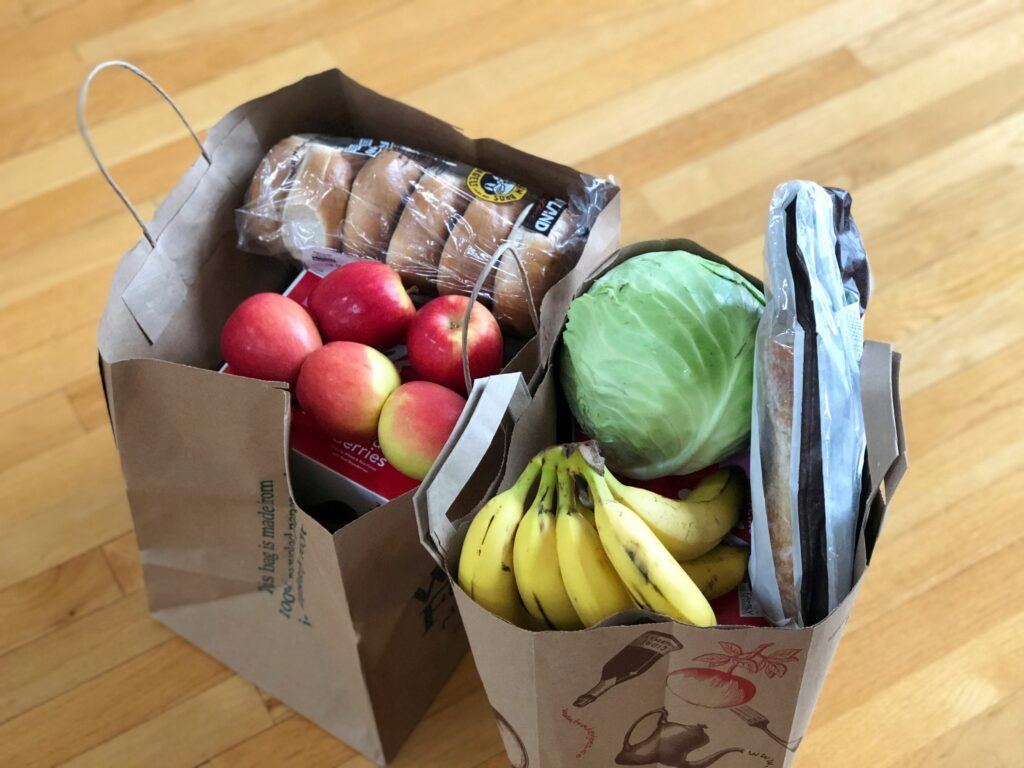
In this post, I’ll show you:
- How I actually use my Instacart credit in real life
- How to set it up so the credit applies
- Which Chase cards have Instacart credits right now
- My best tips for getting the most out of it
How I Use My Chase Instacart Credit for Grocery Pickup
I don’t do my whole grocery haul on Instacart. Here’s my rhythm instead:
- Big grocery trip every other week: This is where most of my food budget goes.
- Instacart pickup during the “gap weeks”: When my family runs out of basics like milk, eggs, and produce, I place a small pickup order using my monthly Chase Instacart credit to get us to the next big shop.
For example, here’s a recent order I placed:
- A gallon of milk
- Bananas
- Bacon
- A can of pumpkin
- Eggs
- A bag of potatoes
After the monthly Instacart credit from my Chase Ink card, I paid about $3 out of pocket, and most of that was a small pickup fee. No extra trip into town, and my grocery budget barely noticed.
How to Set Up Your Chase Instacart Credit
To start using your monthly credit:
- Create a free Instacart account (or log in to the one you have).
- Enroll your eligible Chase card using the Instacart activation link in your Chase account or the Chase app. You have to enroll for the benefit to work.
- Activate your complimentary Instacart+ membership. Eligible cards come with 3 months of Instacart+ when you enroll.
- Pay with your enrolled Chase card at checkout on Instacart.com or the Instacart app. The credit shows up at checkout automatically.
Important: On most cards, the monthly credit only works while you have an active Instacart+ membership. Once your free months end, check your card’s terms to see whether you’ll need to pay for Instacart+ to keep getting the credit.
Which Chase Cards Have Instacart Credits?
Chase’s Instacart benefits run through December 31, 2027. Here’s the quick version:
$20 a Month (Best Value)
- Ink Business Cash® Credit Card
- Ink Business Unlimited® Credit Card
These are the best cards for this benefit, since both have no annual fee and include a $20 monthly Instacart credit. That’s up to $240 a year back on groceries. This is the credit I use for my gap-week orders.
👉 [See the current Ink Business card offers on my Best Offers page]
$10 a Month (Most Co-Brand Cards)
Many Chase hotel and airline cards include a $10 monthly Instacart credit, including:
- World of Hyatt cards
- Marriott Bonvoy Bold, Boundless, and Bountiful
- IHG One Rewards Premier, Premier Business, and Traveler
- Southwest Rapid Rewards cards
- Aer Lingus, British Airways, Iberia, and Aeroplan cards
$10 might not sound like much, but it easily covers a pickup fee or a few staples every month.
Want the full list, including Amex cards with Instacart perks? Check out my guide to credit cards that offer Instacart benefits.
How the Credits Work
- Credits reset every month and don’t roll over, so use it or lose it.
- The credit applies automatically when you pay with your enrolled card.
- You can only use one credit per order.
- On most cards, you need an active Instacart+ membership for the credit to post.
My Tips for Getting the Most Out of Your Instacart Credit
1. Choose Pickup Instead of Delivery
Pickup lets you skip the delivery tip and some of the fees, so more of your credit goes toward actual groceries.
2. Plan One Order a Month
Since you get one credit per card each month, don’t split it across a bunch of tiny orders. I wait until I need a handful of basics and put them all in one pickup order.
3. Set a Monthly Reminder
The easiest way to lose this benefit is to forget about it. I set a reminder on my phone around the middle of each month so the credit never goes to waste.
4. Use More Than One Card (If You Have Them)
If you have two eligible cards, like Ink Business Cash and Ink Business Unlimited, you can enroll both and get two credits a month. Just remember you can only use one credit per order, so you’ll need to place two separate orders.
Chase Instacart Credit FAQ
Do Chase Instacart credits roll over?
No. Credits reset at the start of each month, so any unused credit is gone.
Do I need Instacart+ to use my Chase Instacart credit?
On most cards, yes. Eligible cards include 3 months of Instacart+ when you enroll, and the monthly credit works while your membership is active.
How long do Chase Instacart credits last?
The current benefits run through December 31, 2027.
Which Chase card has the best Instacart credit?
The Ink Business Cash and Ink Business Unlimited cards have the biggest credit at $20 a month, and both have no annual fee.
Can I use my Instacart credit for pickup orders?
Yes! I use mine for pickup almost every time, since it keeps fees low.
Final Word: Real Savings, Not “Free Groceries” Gimmicks
The magic isn’t that Instacart does all my shopping for free. It’s that my Chase Instacart credit helps me:
- Fill in the gaps between big grocery trips
- Skip extra drives into town
- Lower my total grocery spending
- Turn a small monthly perk into real savings
When I use it for practical things like milk, produce, and pantry staples, it truly feels like free groceries in my monthly budget.
Card benefits can change. Check your Chase account and Instacart for the most current terms before you rely on a credit.
Opinions expressed here are the author's alone, not those of any bank, credit card issuer, hotel, airline, or other entity. This content has not been reviewed, approved or otherwise endorsed by any of the entities included within the post.




I found out about points and miles accidentally.
I was researching index funds and happened upon the points and miles community through creators who also post about budgets, financial independence, and investing.
Points and miles allowed those people to travel and work toward financial independence simultaneously.
Thank goodness I got started when I did. The past almost two years of travel have been something we will never forget.
Earning points and miles through credit cards is only a good choice if you have the financial discipline to use them, like cash/debit cards.
Since we started traveling with points and miles, we have had more money going into our investment and savings accounts than ever.
Now I'm excited to teach you!
Welcome

I am excited you are here
New to points and miles? START HERE!

